Protecting fragile and sensitive eco-systems.
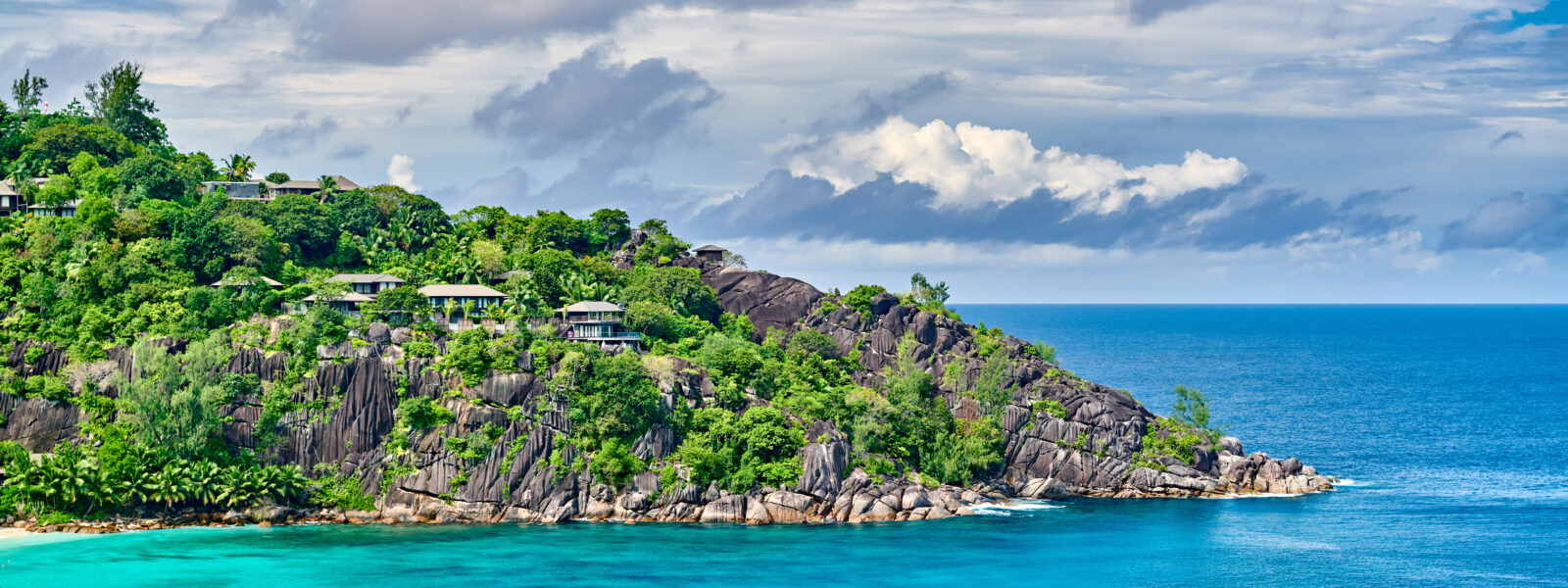
Ahead of reopening in 2026, Frégate Island came to Addfield for a waste management solution that could match its commitments. Frégate is an owner-managed private island in the Seychelles, 200 hectares across and roughly the size of Monaco, with 17 villas and estates for up to around 76 guests. Only 10% of the island is developed and the other 90% is preserved as conservation land, so it has built itself on environmental sustainability just as much as luxury. Addfield supplied an MP400 incinerator paired with a venturi wet scrubber for advanced flue gas cleaning, which arrived on the island in December 2025 and was commissioned in early 2026.
Behind the villas sit 50 years of ecological restoration. More than 3,000 Aldabra giant tortoises now roam free on the island from an original 150, over 40 bird species have been restored, including the Seychelles magpie robin, which was once down to just 12 birds, and the beaches host around 1% of the world’s nesting population of critically endangered hawksbill turtles. As part of five years of reconstruction, the island added solar energy, upgraded its water treatment and redesigned how it deals with waste.
The challenges remote island waste brings
Running a remote island brings waste challenges most of our customers never have to consider. Everything brought onto the island carries a logistical and environmental cost, and any waste generated has to be dealt with on the island. Frégate’s first approach is to reduce, reuse, compost and recycle wherever practical, but some waste streams, such as hazardous waste, can’t go back into the system. Burying it, dumping it at sea or burning it in an open pit were never options for an island built around conservation. Frégate needed a controlled, clean way to treat that waste on site, with a machine reliable enough to keep running for years to come.
Anna Zora, the island’s Conservation & Sustainability Manager, first got in touch with us in September 2019, and we shared our work on Ascension Island, where we built a 4,000 kg a day plant to deal with all of their waste on an even more remote island. In January 2025, with the reconstruction under way, Anna came back to us. Over the next six weeks, emails and video calls worked through every practical question, from capacity and ash disposal to where the chimney should be housed to carry emissions clear of guests and staff. The quotation was approved in February 2025 and the order followed in March, with raw materials ordered early to protect the island from further price rises.
The MP400 was chosen
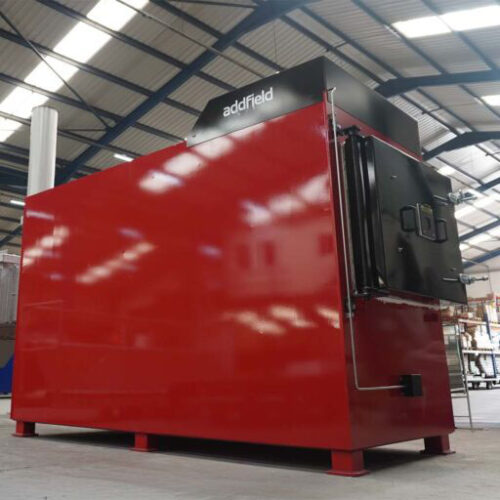
Together we looked at housing the system in a 20 ft or 40 ft container, a venturi scrubber with an emergency bypass and an on-site generator. The final design was simpler and better suited to the island. The MP400 and venturi wet scrubber are housed under a purpose-built shelter running on mains power, with a 1,000 litre bunded fuel tank and a chimney height of over 5 metres.
The MP400 is part of Addfield’s most popular medical incinerator range, installed all over the world helping sensitive ecosystems such as Frégate. It treats up to 400 kg of waste a day at less than 50kg an hour, with Frégate expecting to process up to 350 kg a day. Waste burns in the primary chamber where the triple layered refractory system keeps the heat in and can offer fuel savings up to 40% compared to alternative suppliers on the market. Once incinerated the gases enter the secondary chamber where they are heated to 1100°C before entering the advanced venturi wet scrubber which cleans the gases further, capturing fly ash and reducing acid gases such as hydrogen chloride. It runs on a continuous supply of water, around 80 to 100 litres an hour. When an early quote understated that figure, we corrected it straight away, and Anna thanked the team for being open about it.
Built in the UK
As with any remote project, planning and logistics were just as important as the machine itself. The MP400 and scrubber were built at our UK factory, then strapped into a shipping container for the sea voyage to Mahé and on to Frégate, which can only be reached by helicopter or a boat that runs on Mondays and Fridays. Getting an engineer out meant a Seychelles work visa, which takes around three weeks, and a visit planned around those boat days. The island’s own team and architects prepared the site, and an Addfield engineer travelled out to install and commission the system and train the island team to run it safely.
Treating waste on site means Frégate no longer has to rely on landfill or open burning, protecting the marine ecosystem around it and supporting its wider conservation goals. As a signatory to the United Nations Global Compact, it’s the kind of project Addfield is glad to be part of.
Shipped to the world
Frégate Island has earned global recognition for showing that luxury tourism and conservation can go together and complement each other. As the island prepares to welcome guests again, the new waste facility is part of a wider plan to keep growth, luxury and environmental responsibility moving in step, with the Frégate Foundation now looking ahead to a 100-year vision to safeguard the island for future generations.
“Frégate shows that luxury and conservation can go hand in hand. Anna and her team asked every hard question, and we owed them straight answers. Seeing our MP400 protecting one of the most beautiful islands on earth makes the whole team proud.” – Derek Carr, Managing Director.
Managing waste on a remote island, resort or protected site? Addfield can help, please get in touch at sales@addfield.com