Supporting Bel Ga's fight against disease risk at Tay Ninh Tay Ninh, Vietnam
The importance of building trust
In 2016, Bel Ga, one of Vietnam’s leading poultry breeders, came to Addfield to bring fallen stock and hatchery waste disposal at its Tay Ninh hatchery on-site and under its own control. Ten years later, they came back to us and ordered two more Addfield Mini incinerators and three SB agricultural incinerators. The original machines had done exactly what they were built to do performing every day in one of the most demanding climates we supply into.
Bel Ga supplies day-old chicks, layers and broilers to farmers across Vietnam, Cambodia and Myanmar, where the poultry sector that has grown into one of the largest in Southeast Asia. The production creates a steady stream of biological waste, from unhatched and dead-in-shell eggs to hatchery by-product and fallen stock from breeder flocks. In a densely farmed region with a tropical climate and a history of Highly Pathogenic Avian Influenza (HPAI), how that waste is handled is important, and a single error could put the whole operation and neighbouring farms at risk. Burial and open burning both carry a risk of spreading disease, and Vietnam’s rules on burial depth, groundwater and protected land continue to tighten.
Finding the right fit
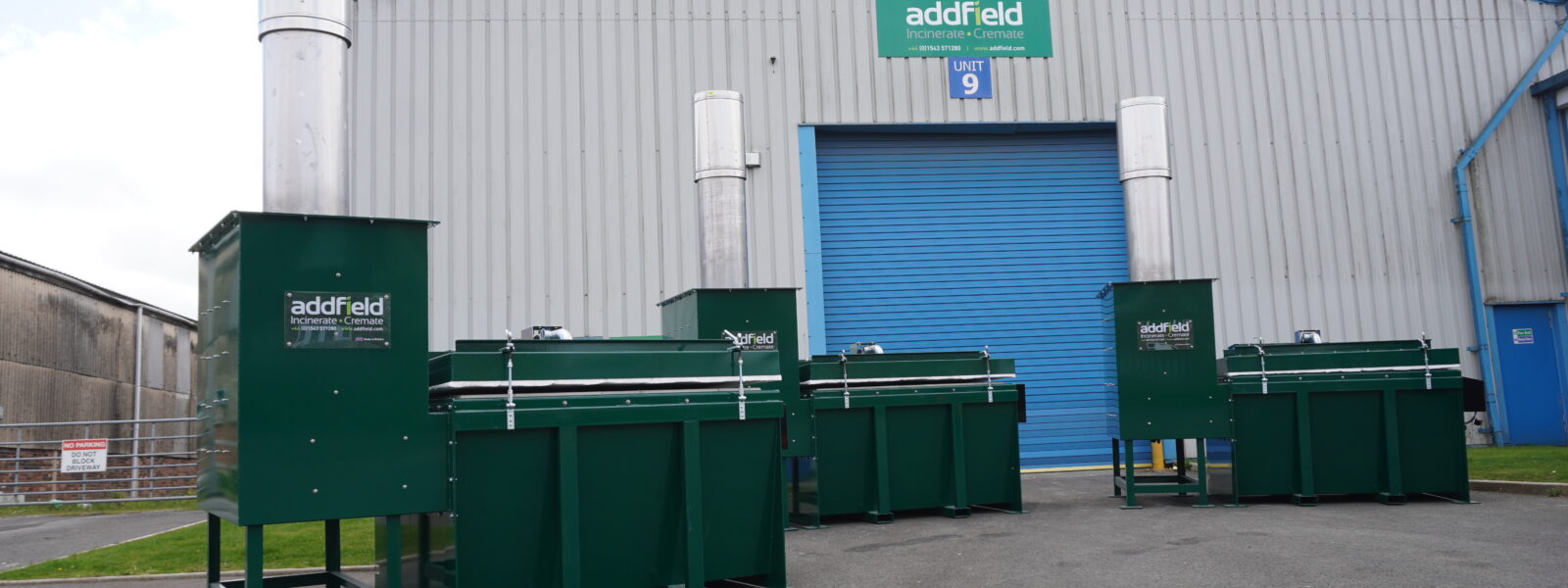
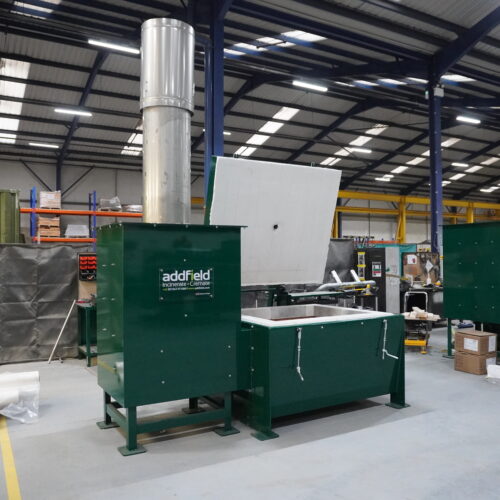
When Bel Ga first approached us, we spent time understanding how the hatchery worked day to day, looking at waste volumes, flock security and how prepared the site needed to be for any future disease outbreak. They needed machines that hatchery staff could run safely without specialist training, that would stand up to daily use in heat and humidity, and that could handle routine hatchery waste and fallen stock. We recommended a combination from our agricultural range: the Mini, suited to farms of up to 140,000 birds, and the SB, suited to farms of up to 375,000 birds. Both are top loading, and together they were sized to the site’s throughput of 350 to 750 kg a day.
Built for daily use
Our machines are lined with alumina-infused refractory fire brick backed by two further insulation layers, which holds heat well and makes them up to 40% more fuel efficient. Its two-chamber combustion design with a two-second gas retention time destroys pathogens, dealing with any biosecurity risks on the farm rather than transporting them off. Without burial or open burning, there is also no easy route for disease to pass between Tay Ninh and the farms around it.
The new order builds on the Addfield trust, it gives Bel Ga the same standard of biosecurity across a larger operation, using machines its teams already know and trust, and continues to support the certification and traceability its international partners and export markets expect. It also helps protect the farmers across Vietnam, Cambodia and Myanmar who rely on Bel Ga’s chickens.
If you’re facing similar biosecurity or waste disposal challenges on a working farm, Addfield can help, please get in touch at sales@addfield.com.